Posts

SIMPLY RED Picotas…. the Red Diamonds of Spain

Image
We should be making the most of the traditionally short cherry season at the moment. These plump, shiny skinned, red to deep purple, round wonders are definitely the superstars of the markets at the moment and make great eating. There are over a hundred and twenty types of cherries and they are basically divided into two groups. The sweet varieties like napoleon, Williams and Regina and the sour ones such as Kentish, morello and Driotte. Fresh cherries are high in energy-giving carbohydrates and are an excellent source of vitamin C.   In the Jerte Valley in Extremadura, there’s one time of year where a million trees swell with tiny red fruit. These little, shiny cherries are only available from June to the end of July, but they’re some of the best in the World, so much so that they have a Protected Designation of Origin (PDO) status. They are Picota cherries and they are in season right now. Cherries have been grown in the Jerte Valley for centuries, but ...

SARDINAS….para chuparse los dedos!

Image
  The aroma of fresh sardines being grilled over hot coals has to be one of my all time favourite cooking sensations and they are simply delicious when lightly coated with olive oil, garlic and fresh parsley. Sardines may be popular all over Spain, but sardine skewers known as “espetos de sardinas”, are one of the most appreciated delicacies by locals and tourists alike in beach bars and restaurants all along the extensive coast of Malaga. They are cooked on the beach over hot coals and normally each espeto comes with four or five sardines. It is eaten with your hands with a touch of lemon juice and the locals have an expression to describe this very tasty meal: “está para chuparse los dedos”, basically meaning they are delicious enough to suck your fingers after enjoying them and that is precisely what people do after eating espeto or grilled sardines, it’s almost the best part of the whole experience!   Sardines are named after Sardinia, the Italian island where large sc...

Sweet Spanish kitchen at Easter

Image
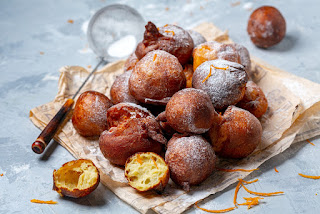
Sweet Spanish kitchen at Easter   Bunuelos   Fiestas and religious festivals have traditionally been associated with an assortment of pastries, sweets, cakes and biscuits. Some are flavoured with almonds' pine nuts, honey, cinnamon, and orange blossom water reflecting their Arab, Moorish roots, while others are doughnut style pastries fried in oil such as roscos, buñuelos and the extremely popular churros, which are served with hot chocolate for dunking.   Although the giving of chocolate Easter eggs is more popular today that it ever has been in Spain, it took them a long time to really become popular. That said, of all the symbols associated with Easter the egg, the symbol of fertility and new life, is the most identifiable. The customs and traditions of using eggs have been associated with Easter for centuries. Originally Easter eggs were painted with bright colours to represent the sunlight of spring and were used in Easter-egg rolling contests...

The perfect roast Goose for Christmas…

Image
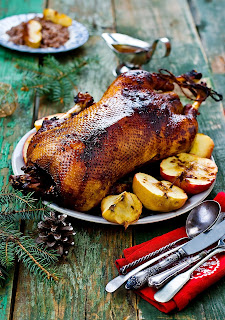
  I absolutely love the smell of a goose roasting in the oven at Christmas. I know it’s a little fattier than turkey and chicken…but the upside is it has so much more flavour and it’s also a very nutritious meat, rich in both iron and protein. I guess the reason most people don’t cook goose more often at home is because it has a reputation as being a difficult bird to cook perfectly. The truth is it is a little more challenging; you can't cook it too little because if it's not cooked enough, it can be as tough as old boots. And you can't cook it too much either, because it also tends to dry out very easily. So how should you roast your goose?   At home I take the bird out of the fridge the night before, as you need the skin to be as dry as possible if it is going to crisp up properly in the oven. It’s important to remember that all types of goose are fatty, and to get as much of this fat out as possible, you need to prick the breast and thighs with a s...

ENSALADILLA RUSA

Image
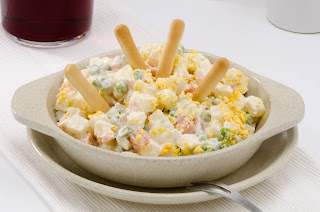
  One of the most popular dishes in any typical Spanish tapas bar is a Russian salad, known here as “Ensaladilla Rusa” or more simply as just plain old “Ensaladilla”!   It’s a common dish prepared all over the country and every traditional Spanish cookbook has an ensaladilla recipe in it somewhere. I’m a huge fan of ensaladilla and it became one of my favourite Pinxos some years ago when I lived in San Sebastian, where it was often topped with a fresh, tender langoustine and served with crunchy little breadsticks called picos.   It obviously has its roots somewhere in Russia or in Moscow to be more exact. Apparently it was a Belgian chef called Lucien Olivier who invented the original, classy version of a potato salad, while working in the exclusive Hermitage Restaurant where it was known as salad Olivier. Unfortunately, the secretive Olivier took the original recipe to his grave, but food historians think that it was probably topped with expensiv...